Live Event Technical Support Service Pricing
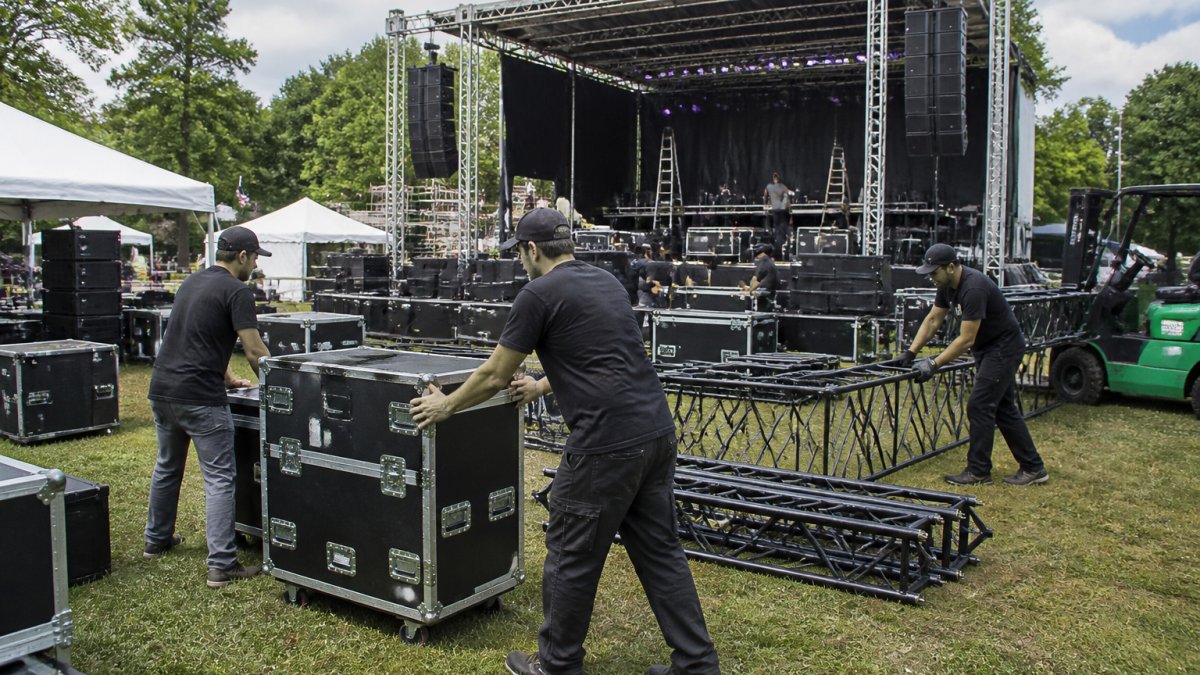
Table of Contents
- What Affects Live Event Technical Support Service Pricing
- Event Technical Support Packages and Rates Explained
- Live Event Technical Staffing and Crew Requirements
- Audio, Video, Lighting, and Staging Equipment Costs
- Live Streaming Event Pricing and Virtual Production Support
- Event Production Quote Checklist and Cost Breakdown
- How to Compare Technical Support Quotes and Avoid Hidden Costs
- Frequently Asked Questions
Last Updated: October 11, 2026
What Affects Live Event Technical Support Service Pricing
Live event technical support service pricing depends on event size, duration, equipment complexity, and staffing needs. A small corporate meeting requires vastly different resources than a multi-stage music festival.
Venue infrastructure significantly affects cost. A theater with built-in systems costs less than an outdoor space requiring complete installation. Travel distance, setup time, and technical demands of performers or presenters directly impact your quote.
AudioBahn Productions evaluates each event individually. A wedding reception with simple sound and lighting needs different resources than a product launch requiring live streaming, multiple cameras, and real-time graphics.
Event Technical Support Packages and Rates Explained
Professional live event technical support service pricing follows three primary billing models: hourly, flat-fee, and day-rate. Understanding each prevents overpaying and ensures fair quote comparisons.
Hourly, Flat-Fee, and Day-Rate Billing Models
Hourly rates work best for shorter events or uncertain durations. You pay for actual technician time with flexibility. However, hourly rates accumulate quickly with setup and breakdown. A four-hour event with one hour of setup and 45 minutes of breakdown becomes 5.75 billable hours.
Flat-fee pricing locks in a set cost regardless of actual duration. This suits events with predictable timelines like corporate presentations or wedding receptions. You know exactly what to budget, though flat fees are typically higher than hourly rates because the provider builds in a buffer for uncertainty.
Day rates bundle setup, event, and breakdown into one daily charge. Most venues prefer this approach because it simplifies budgeting. A day rate typically covers 8-10 hours of work. Day rates work well for events lasting 4+ hours because they're usually more economical than hourly billing.
Additional-Hour and Overtime Charges
Events rarely end on schedule. Technical support providers charge additional fees when events run longer than contracted. Understanding these charges prevents bill shock.
Most providers charge a premium for hours outside standard business times. Some contracts include a grace period, typically 15 to 30 minutes, before additional charges apply.
Minimum charges for partial hours vary by provider. Some bill in one-hour increments; others prorate in 15-minute blocks. This distinction matters significantly for events running slightly over.
Clarify overtime terms before signing. Ask about setup buffers, overtime definitions, minimum charges for partial hours, and late-night pricing.
Live Event Technical Staffing and Crew Requirements
Technician count directly drives your technical support service pricing. A single audio technician costs far less than a three-person crew managing sound, lighting, and video.
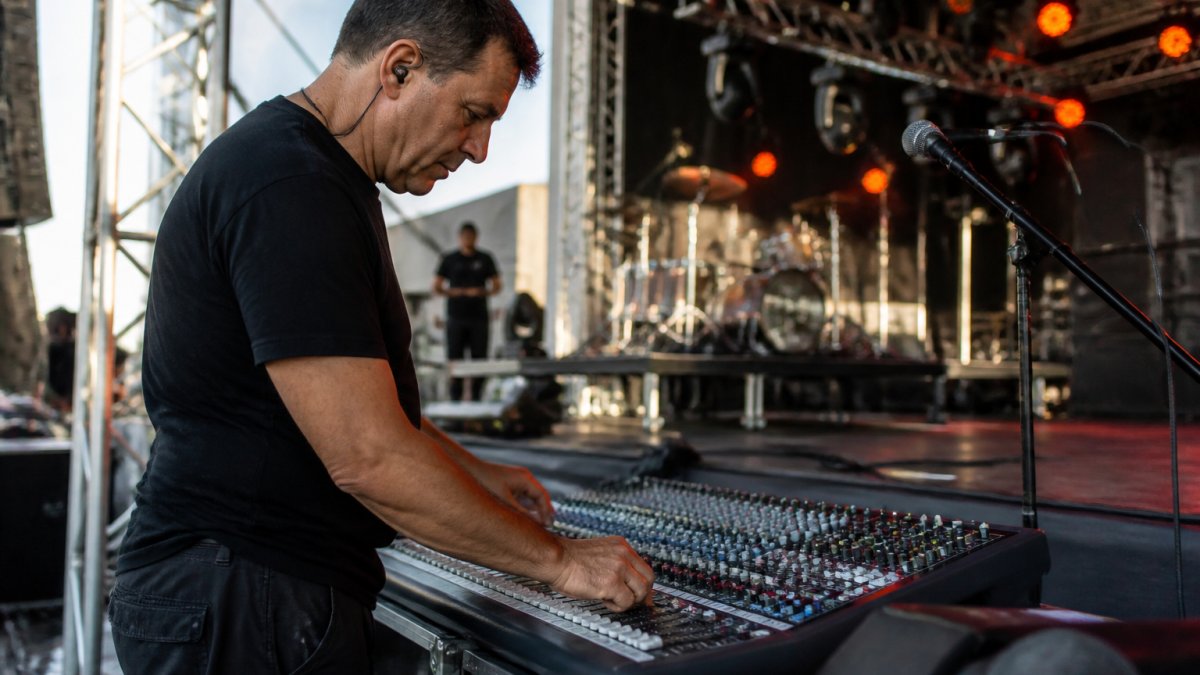
Event complexity determines crew size. A speaker with a microphone and projector needs one technician. A band with multiple instruments and monitors requires a sound engineer, lighting technician, and stage manager.
Venue infrastructure affects staffing needs. A theater with permanent systems requires fewer technicians than an outdoor space requiring complete setup. AudioBahn Productions assesses your venue and event type to recommend appropriate staffing levels.
Backup technicians for critical events add cost but provide insurance against equipment failure. For high-stakes corporate events, a second technician on standby justifies the investment.
Audio, Video, Lighting, and Staging Equipment Costs
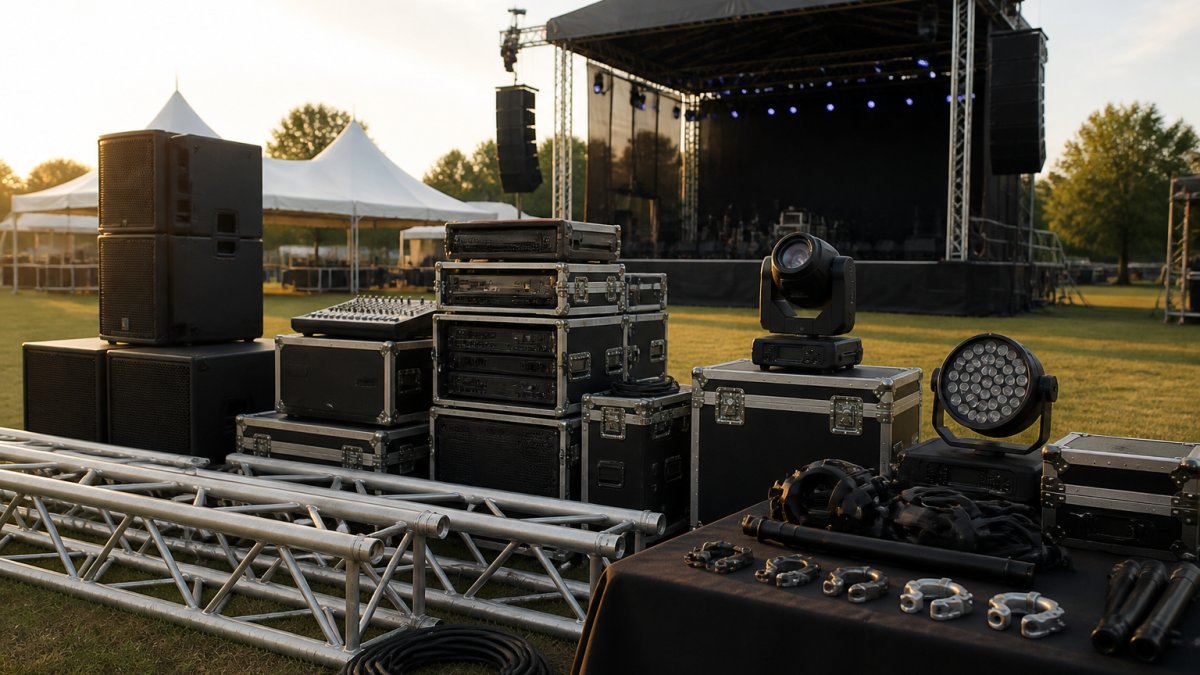
Equipment rental represents the largest variable in technical support service pricing. Understanding cost drivers helps you build realistic budgets and identify savings.
Audio Equipment Cost Structure
Basic audio equipment costs significantly less than comprehensive setups. A corporate presentation with one microphone and two speakers requires minimal equipment. A live band with multiple instruments and monitors requires substantially more gear.
Wireless microphone systems are a major cost driver. Professional-grade systems with redundancy cost more than basic systems but prevent microphone failure mid-event.
Monitor systems for performers add cost. Live music requires monitor speakers and a separate mixing console so performers can hear themselves. Corporate presentations may not need monitors.
Video Equipment Cost Structure
Video equipment ranges from simple projection screens to multi-camera productions with live switching and graphics. A single projector costs far less than a three-camera production with switcher and streaming.
Live streaming requires a dedicated camera operator, video engineer, and often a graphics operator. Recording-only is simpler and cheaper than simultaneous streaming and on-site production.
Camera count directly correlates with cost. One fixed camera is inexpensive. Three cameras with operators plus a video switcher requires more equipment and crew. Multi-camera setups are standard for conferences and concerts but unnecessary for simple presentations.
Graphics and lower-thirds require a dedicated graphics operator running specialized software. This is a significant labor cost. Many events skip graphics to reduce cost.
Lighting Equipment Cost Structure
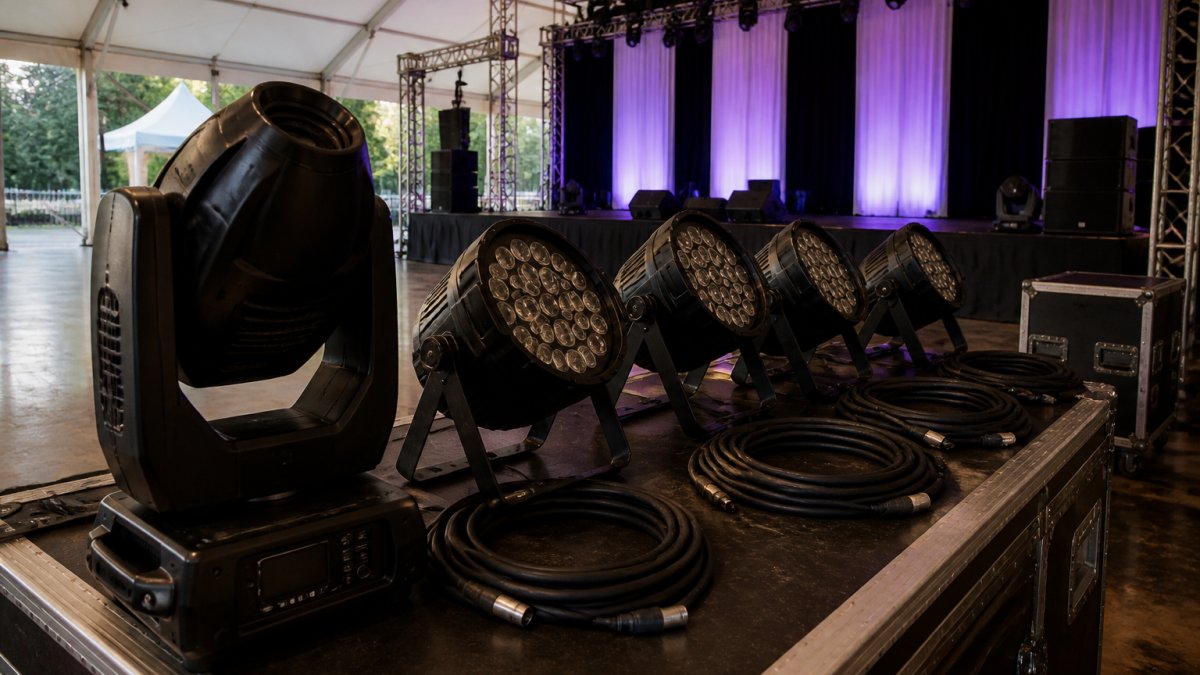
Professional stage lighting transforms a space into a polished environment. Lighting complexity directly correlates with cost. A single color-wash system costs far less than programmable LED rigs with full spectrum control.
Lighting complexity depends on event type. A corporate presentation might need only accent lighting. A concert requires comprehensive lighting with multiple fixtures and cue sequences. A wedding benefits from uplighting but not concert-level complexity.
LED technology has reduced lighting costs compared to older systems. However, programmable LED fixtures with wireless control cost more than basic fixed-color systems.
Lighting crew requirements affect total cost. A simple wash system needs one technician. A complex rig requires a dedicated lighting technician operating a console throughout the event.
Staging Equipment Cost Structure
Staging equipment, platforms, risers, backdrops, adds cost. Some venues include basic staging; others require rental. A small corporate event might need only a simple riser. A large conference requires multiple platforms and professional backdrops.
Backdrop costs vary widely. A simple fabric backdrop costs less than a custom-built set piece. Branded backdrops are more expensive than generic drapes.
Structural safety is non-negotiable. All platforms must meet building code requirements. Professional staging providers engineer systems to code and carry liability insurance.
Estimating Equipment Costs for Your Event
To estimate equipment costs, start with your event type and venue. Then itemize each technical element: audio (microphone type, speaker count, monitor system), video (camera count, projection or streaming, graphics), lighting (ambient, accent, or full rig), and staging (platforms, risers, backdrop).
Request itemized quotes from providers showing equipment costs separately from labor. This breakdown reveals where your money actually goes and identifies potential savings. For example, if equipment rental dominates your quote, you might consider purchasing certain items instead of renting them repeatedly. A company that hosts monthly events might save money buying a basic projector and screen rather than renting them each time.
Live Streaming Event Pricing and Virtual Production Support
Hybrid events combining in-person attendance with remote streaming require specialized technical support service pricing. You're producing two events simultaneously.
Live streaming adds technician costs for camera operators, video engineers managing multiple feeds, and graphics operators adding titles, lower thirds, and branding elements in real time. Platform management, handling chat moderation, technical troubleshooting for remote attendees, and stream quality monitoring, requires dedicated personnel.
Virtual production support extends beyond basic streaming. Multi-camera switching, professional graphics packages, interactive elements like polls or Q&A features, and post-event editing all increase costs. However, these investments make your event more engaging for remote participants and create professional-quality content you can repurpose afterward.
AudioBahn Productions handles complete hybrid event production, managing both the physical venue experience and the digital streaming simultaneously. This integrated approach prevents the common problem where technical teams focus on one experience at the expense of the other.
Event Production Quote Checklist and Cost Breakdown
Before requesting quotes, clarify exactly what you need. A detailed checklist prevents misunderstandings and ensures apples-to-apples comparisons across multiple providers.
Document your event specifics: date, time, expected duration, venue address, expected attendance, and the primary purpose (concert, corporate presentation, wedding, conference, etc.). List every technical element you need, audio, video, lighting, live streaming, recording, and any specialized equipment.
Specify setup and breakdown requirements. Will technicians arrive the night before for early setup, or do you need same-day setup only? How much breakdown time do you anticipate? Will the venue be available for testing beforehand, or will technicians work blind until the event starts?
Request itemized quotes showing equipment costs separately from labor. This breakdown reveals where your money actually goes and identifies potential savings. For example, if equipment rental dominates your quote, you might consider purchasing certain items instead of renting them repeatedly.
Ask about contingencies. What happens if equipment fails mid-event? Does the provider have backup equipment on-site? Is there a service-level guarantee, or are you simply hoping nothing breaks?
| Element | What to Specify | Why It Matters |
|---|---|---|
| Event Duration | Exact start/end times, setup/breakdown window | Prevents surprise overtime charges |
| Crew Size | Number of technicians per discipline | Confirms adequate staffing for complexity |
| Equipment List | Specific models and quantities | Ensures you get what you actually need |
| Contingency Plan | Backup equipment, response time | Protects your event if something fails |
| Travel Costs | Distance from provider's base, mileage fees | Reveals hidden costs in the quote |
| Technical Rider | Your specific technical requirements | Clarifies expectations before the event |
How to Compare Technical Support Quotes and Avoid Hidden Costs
Comparing quotes requires more than looking at total price. A lower number often masks hidden charges that appear after you commit.
Request complete, itemized quotes from multiple providers. Ask each one the same questions in the same way so you can compare apples to apples.
Look for what's explicitly excluded. If a quote doesn't mention travel time, parking, or setup fees, ask whether those are included or billed separately. Vague language like "additional charges may apply" means you're signing up for surprises.
Verify insurance and liability coverage. Professional technical support providers carry insurance protecting your event if equipment is damaged or someone is injured. Confirm coverage limits match your event's scale and risk profile.
Check references from similar events. Ask the provider for contact information from clients who hosted comparable events.
AudioBahn Productions provides transparent pricing with no hidden charges. Our experience managing events across the Great Lakes region means we understand local venue requirements, travel logistics, and the specific technical demands of different event types.
Planning a live event requires understanding how technical support service pricing actually works. The factors affecting cost, crew size, equipment complexity, event duration, and venue infrastructure, all interconnect in ways that make simple price comparisons misleading.
Frequently Asked Questions
What factors affect live event technical support service pricing the most?
Event size, duration, equipment complexity, and staffing needs drive costs. Larger venues with multiple audio, video, and lighting systems require more technicians and specialized gear. Remote support versus on-site presence, travel distance, and whether you need webinar or hybrid event production also impact pricing. The scope of technical coordination, from basic equipment rental to full production management, determines your final quote.
What is usually included in an event technical support package?
Standard packages typically include equipment setup and teardown, on-site technical staff, audio and sound system management, lighting control, basic troubleshooting, and a tech rehearsal before the event. Some packages add remote support, backup equipment, live streaming capability, or hybrid event coordination. Always clarify what's included versus what's billed as an add-on when comparing quotes from different providers.
How do I compare quotes from live event production companies?
Request itemized breakdowns showing labor costs, equipment rental, travel fees, and contingency support. Ask each provider what happens if equipment fails mid-event and how fast they respond. Compare service-level guarantees, crew experience with your venue type, and whether they handle webinar or virtual-event support. Get references from similar-sized events to verify they can deliver at your scale.
When should I book technical support for a live event?
Book 4-6 weeks ahead for corporate conferences and hybrid events to secure experienced staff and equipment availability. For concerts and large productions, start 8-12 weeks early. Smaller events may book 2-3 weeks out. Early booking gives you time to discuss technical requirements, confirm crew size, and arrange a tech rehearsal. Last-minute bookings risk higher rates and limited crew availability.
Sound, lighting, staging and LED video. Free quote.
Frequently Asked Questions
What factors affect live event technical support service pricing the most?
Event size, duration, equipment complexity, and staffing needs drive costs. Larger venues with multiple audio, video, and lighting systems require more technicians and specialized gear. Remote support versus on-site presence, travel distance, and whether you need webinar or hybrid event production also impact pricing. The scope of technical coordination—from basic equipment rental to full production management—determines your final quote.
What is usually included in an event technical support package?
Standard packages typically include equipment setup and teardown, on-site technical staff, audio and sound system management, lighting control, basic troubleshooting, and a tech rehearsal before the event. Some packages add remote support, backup equipment, live streaming capability, or hybrid event coordination. Always clarify what's included versus what's billed as an add-on when comparing quotes from different providers.
How do I compare quotes from live event production companies?
Request itemized breakdowns showing labor costs, equipment rental, travel fees, and contingency support. Ask each provider what happens if equipment fails mid-event and how fast they respond. Compare service-level guarantees, crew experience with your venue type, and whether they handle webinar or virtual-event support. Get references from similar-sized events to verify they can deliver at your scale.
When should I book technical support for a live event?
Book 4-6 weeks ahead for corporate conferences and hybrid events to secure experienced staff and equipment availability. For concerts and large productions, start 8-12 weeks early. Smaller events may book 2-3 weeks out. Early booking gives you time to discuss technical requirements, confirm crew size, and arrange a tech rehearsal. Last-minute bookings risk higher rates and limited crew availability.